
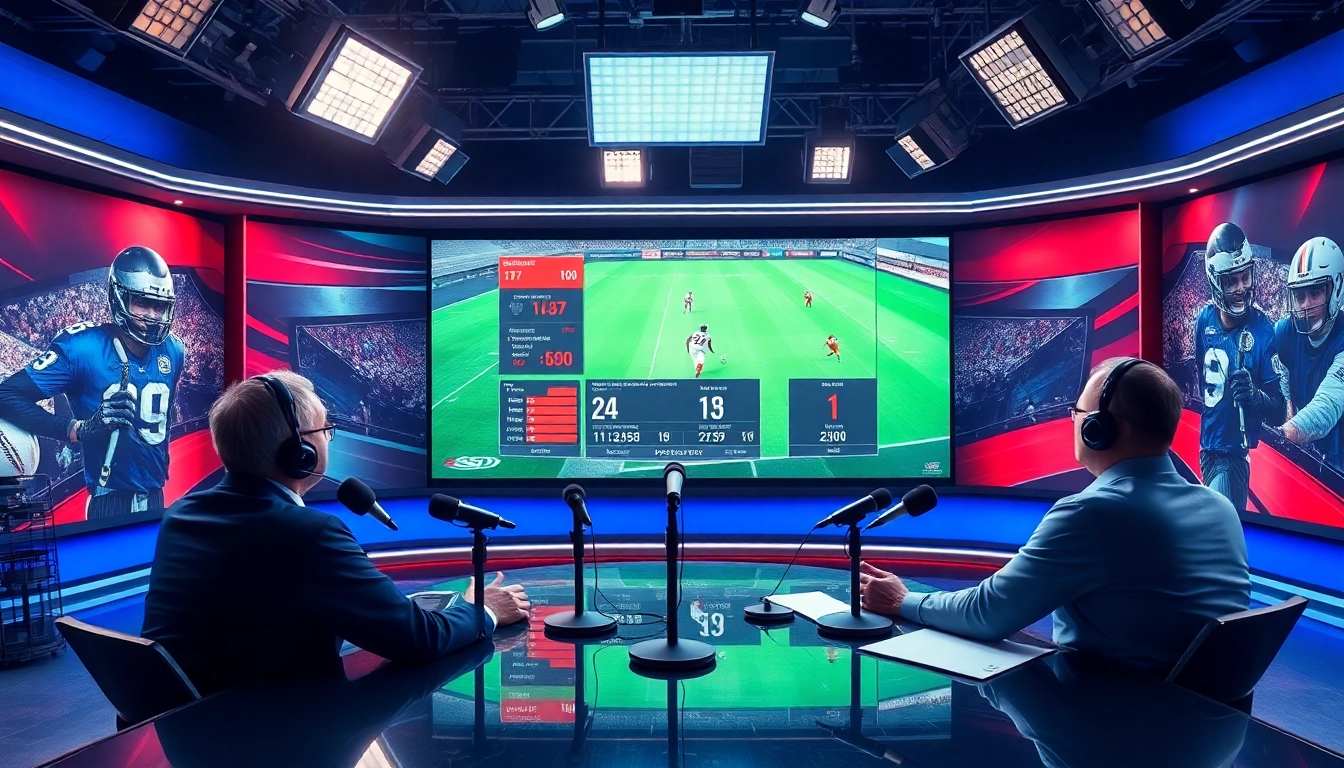
The Evolution of Sports Broadcasting
Historical Context of Sports Broadcasting
Sports Broadcasting has come a long way since its inception in the early 20th century. Radio broadcasts of sporting events were first introduced in the 1920s, allowing fans to listen to games from the comfort of their homes. This was a revolutionary change, as it brought sports closer to the public and provided an avenue for fans to connect with their favorite teams and athletes. As technology progressed, so did the methods of broadcasting. The introduction of television in the 1950s transformed how sports were consumed, making it possible for viewers to watch live events unfold before their eyes.
Technological Advancements Impacting Sports Broadcasting
Over the decades, technological advancements have played a crucial role in shaping Sports Broadcasting into what it is today. The arrival of high-definition television and digital broadcasting has improved the clarity of images, making it a more enjoyable experience for viewers. Innovations such as instant replay, enhanced graphics, and real-time statistics have further enhanced viewer engagement. The internet has added another layer to sports broadcasting, with live streaming capabilities allowing fans to watch games on their devices, anytime and anywhere.
Future Trends in Sports Broadcasting
Looking ahead, the future of Sports Broadcasting promises to be even more exciting. Emerging technologies such as virtual reality (VR) and augmented reality (AR) are expected to revolutionize how fans experience games. AI and big data analytics are also beginning to influence broadcasting strategies, enabling more personalized content delivery. These innovations will not only enhance viewer engagement but will also provide new opportunities for broadcasters to monetize their content.
Key Elements of Effective Sports Broadcasting
Essential Tools for Sports Broadcasting
Effective Sports Broadcasting relies heavily on a variety of tools to deliver rich, engaging content. High-definition cameras, drone technology for aerial shots, and state-of-the-art editing software are just a few examples of essential tools that broadcasters utilize. Moreover, with the rise of digital platforms, tools for live streaming, social media management, and audience analytics have become equally important in reaching and engaging viewers.
Understanding Your Audience in Sports Broadcasting
Understanding your audience is paramount for successful Sports Broadcasting. Different demographics have varied interests, and knowing what resonates with them can guide content creation. Engaging with audiences on social media platforms and gathering feedback through surveys can provide insights into viewer preferences. This understanding can help broadcasters tailor their content to meet the expectations of their audience.
Creating Engaging Content for Sports Broadcasting
Creating engaging content is the backbone of effective Sports Broadcasting. Storytelling plays a critical role in capturing the interest of viewers. Narratives that highlight personal stories of athletes or pivotal moments during games can resonate deeply with audiences. Additionally, incorporating interactive elements like polls and Q&A segments can keep viewers engaged, fostering a sense of community among fans.
Best Practices for Sports Broadcasting Success
Building a Strong Broadcasting Team
A competent broadcasting team can greatly enhance the quality of Sports Broadcasting. It is essential to select individuals who not only possess the necessary skills but also share a passion for sports. Collaboration and chemistry among team members can significantly impact the overall broadcast quality, resulting in a more seamless and engaging viewer experience.
Developing a Compelling Broadcasting Strategy
Having a robust broadcasting strategy is crucial for success in Sports Broadcasting. This involves defining clear objectives, identifying target audiences, and determining the right platforms for content delivery. A strategic approach ensures consistency and allows broadcasters to leverage various platforms effectively, maximizing viewer reach and engagement.
Leveraging Social Media in Sports Broadcasting
Social media is an invaluable asset in today’s Sports Broadcasting landscape. It serves as a catalyst for audience engagement and expands the reach of broadcasts. Real-time updates, behind-the-scenes content, and interaction with fans can significantly enhance the broadcasting experience. Additionally, social media can be used to promote upcoming events and generate buzz around specific games or athletes.
Performance Metrics in Sports Broadcasting
Key Performance Indicators for Sports Broadcasting
To measure the success of Sports Broadcasting, it is crucial to track specific performance metrics. Key performance indicators (KPIs) can include viewership numbers, audience retention rates, and social media engagement metrics. These indicators provide valuable insights into how effectively the content is resonating with the audience and where improvements can be made.
Analyzing Audience Engagement in Sports Broadcasting
Analyzing audience engagement helps broadcasters understand viewer behaviors and preferences. Tools for audience analytics can track metrics like click-through rates, social media shares, and comments. By examining this data, broadcasters can discern what types of content generate the most engagement, enabling them to focus on strategies that yield higher viewer interaction.
Improving Metrics through Feedback and Analytics
Continuous improvement is essential for success in Sports Broadcasting. Collecting feedback from audiences can provide valuable insights into their viewing experiences. Pairing this qualitative data with analytics helps broadcasters identify areas for enhancement. Implementing changes based on this information can lead to better engagement and ultimately higher viewership numbers.
FAQs About Sports Broadcasting
What is the role of technology in modern Sports Broadcasting?
Technology enhances viewing experiences through real-time statistics and interactive features, allowing for a more immersive broadcast.
How can I engage my audience effectively?
Utilize storytelling, highlight reels, and audience interaction to maintain viewer interest and investment in your broadcasts.
What are common challenges in Sports Broadcasting?
Challenges include keeping viewers engaged and adeptly adapting to rapid technological advancements and changes in viewer preferences.
How do social media platforms contribute to Sports Broadcasting?
Social media broadens reach, fosters fan interaction, and facilitates real-time promotion and updates on broadcasts.
What metrics should I track for sports broadcasting success?
Important metrics include total viewership, engagement rates, interaction levels, and audience feedback for continuous improvement.
For more insights and strategies on enhancing your engagement in Sports Broadcasting, visit Sports Broadcasting. The landscape is continuously evolving, and staying updated with the latest trends is key to success.
